
Gourmet burgers vs fast food
Choosing between gourmet and fast-food burgers isn’t just about price. It affects ingredient quality, cooking technique, in-house experience, and perceived value. If you want to know which fits your goals—enjoying, eating quickly, or discovering the best burgers in your city—this guide clears it up.
What are gourmet burgers?
Definition, ingredient quality, and value proposition. Gourmet (or artisanal) burgers start from one premise: high-quality ingredients and process control.
They usually work with blends designed for balance between flavor and juiciness (20–30% fat), selected cuts, even dry-aged beef. Buns are often brioche or potato, toasted inside to avoid sogginess. Sauces are homemade (emulsions, pickles, smoked flavors). Cooking is done carefully to the right doneness. Their key differential value: harmony and technique. They don’t chase “Instagram excess” but balance in every bite.
What is fast food?
Speed, standardization, and price vs value. Fast food prioritizes efficiency and consistency at scale. It offers low entry prices and wide availability (including delivery). Standardization ensures predictable products everywhere. Limits: less personalization, fewer flavor/textural nuances. Perfect when your priority is eating quickly and cheaply.
Key differences: gourmet vs fast food in ingredients, brioche bun, and sauces
- Meat: gourmet focuses on blends and doneness to extract flavor; fast food prioritizes uniformity.
- Buns: brioche buns toasted inside are common in gourmet; fast food buns aim for lightness and stability, but less “memorable.”
- Sauces: homemade sauces vs standardized. The first balance acidity/umami with the beef; the second ensure brand identity.
- Toppings: cured cheeses, proper bacon, balanced pickles typical of gourmet; simplified in fast food for flow and cost.
Cooking techniques: smash vs griddle vs grill
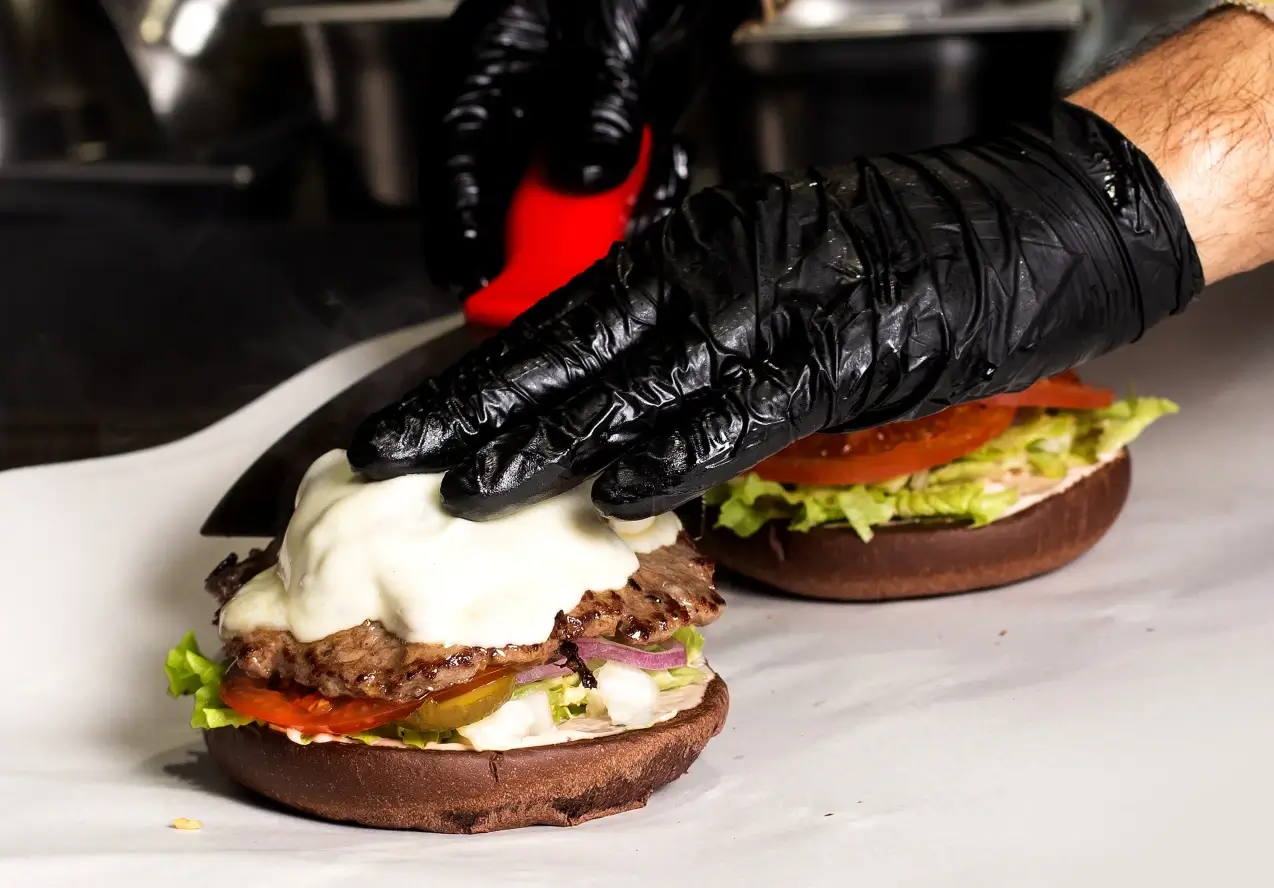
- Smash burger: ball of meat smashed on a very hot griddle. Intense crust through Maillard reaction, strong flavor with crunchy edges.
- Classic griddle: allows doneness control and juiciness.
- Grill: adds smoke and character but requires skill to avoid dryness. Conclusion: technique doesn’t make it “gourmet” or “fast food” on its own—controlling sear and doneness does.
Nutrition and sustainability: artisanal best practices vs fast food
Both options can be caloric. The difference lies in nutrient density and sustainability:
- Gourmet: better raw materials, balanced portions, fresh ingredients with real satiety; often local sourcing and waste reduction.
- Fast food: optimized production cycles, excellent health controls, but more sugars in buns/sauces and portions designed to “fill you fast.” If nutrition and sourcing matter, ask about suppliers, oils, frying methods, and recycling. A good venue will gladly share.
Experience in venue vs delivery
Venue experience favors gourmet: toasted buns, meat at point, fries with texture. In delivery, steam and time take their toll. Fast food is designed to withstand logistics and high volume, so it performs relatively better. If you want to assess a burger seriously, do it in-house. The venue experience is part of the product.
Price vs value: what you pay for and what you get
- Gourmet burgers: you pay for ingredient, technique, and experience. If you perceive better flavor, texture, and digestibility, the value is worth it.
- Fast food: competitive pricing and convenience. Ideal if your goal is quick filling. Smart choice isn’t the cheapest but the one that leaves you wanting to repeat for taste and satisfaction.
Quick guide: checklist to choose the best burgers
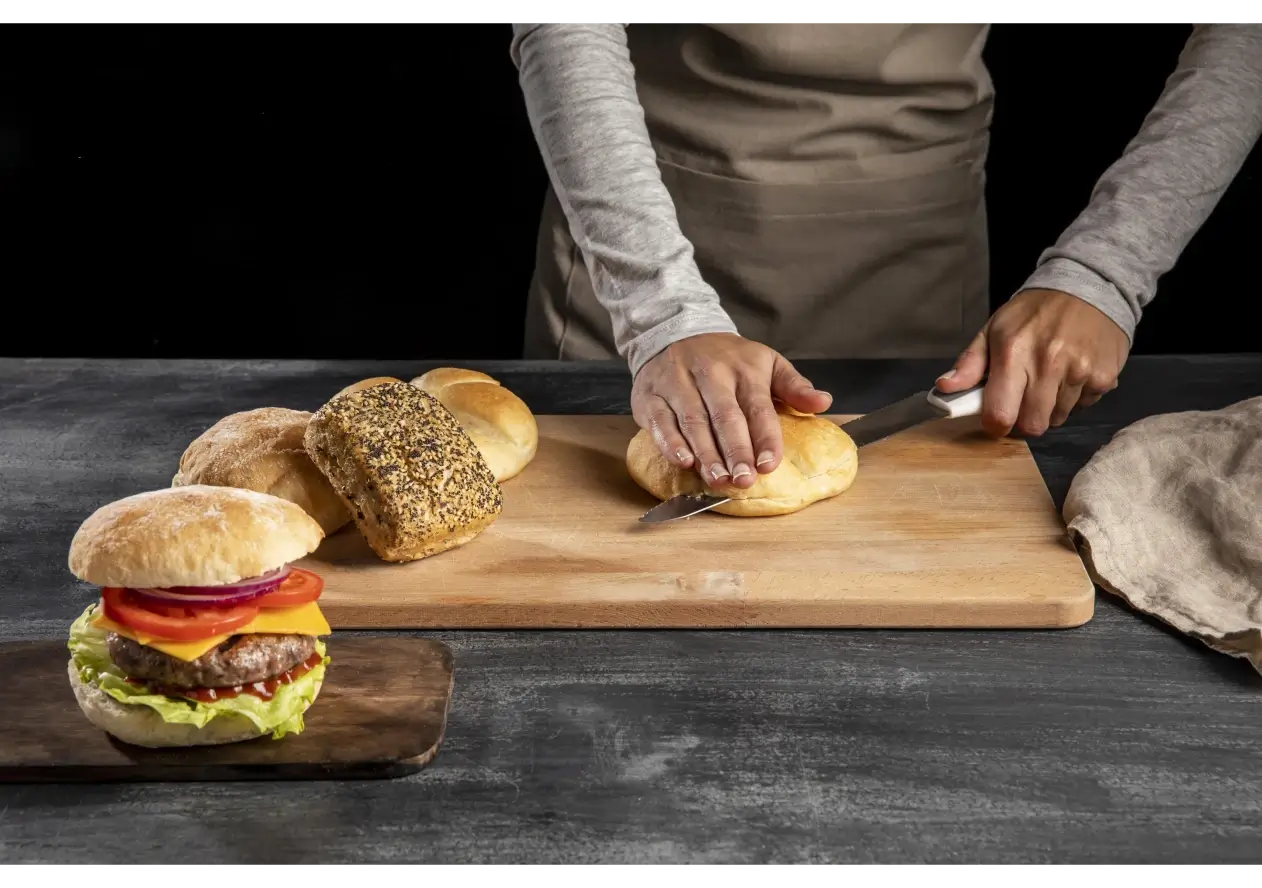
- Ingredient quality: ask about the blend and bun (e.g., brioche toasted inside?).
- Technique: look for even crust, no gray zones; smash should crunch at the edge.
- Balance of sauces: should complement, not mask the meat.
- Doneness: juicy, not raw; adjust to taste.
- In-house experience: timing, temperature, sides.
- Price vs value: would you pay for that experience again?
Comparison: gourmet vs fast food (summary table)
| Criterion | Gourmet burgers | Fast food |
|---|---|---|
| Ingredients | Selected, fresh, traceable | Standardized, optimized at scale |
| Bun | Brioche, toasted inside | Light, stable, less distinctive |
| Sauces | Homemade, adjusted to product | Fixed recipes for consistency |
| Technique | Controlled doneness, smash or grill | High flow, “average” doneness |
| In-house experience | Essential part of the product | Secondary; speed comes first |
| Price vs value | Higher price, higher perceived value | Lower price, high convenience |
| Delivery | Can suffer if poorly packaged. | Designed to withstand logistics |
| Objective | Enjoy and remember | Solve quickly, low cost |
Myths and realities: gourmet vs fast food
- “Gourmet = expensive” → Not always; some optimize without losing quality.
- “Fast food = bad” → No; it does its job and sometimes hits the spot.
- “More toppings = better” → Wrong; the best burger is about balance.
- “Smash is inferior” → False; a well-executed smash can be outstanding.
Expert opinion: when to choose gourmet vs fast food
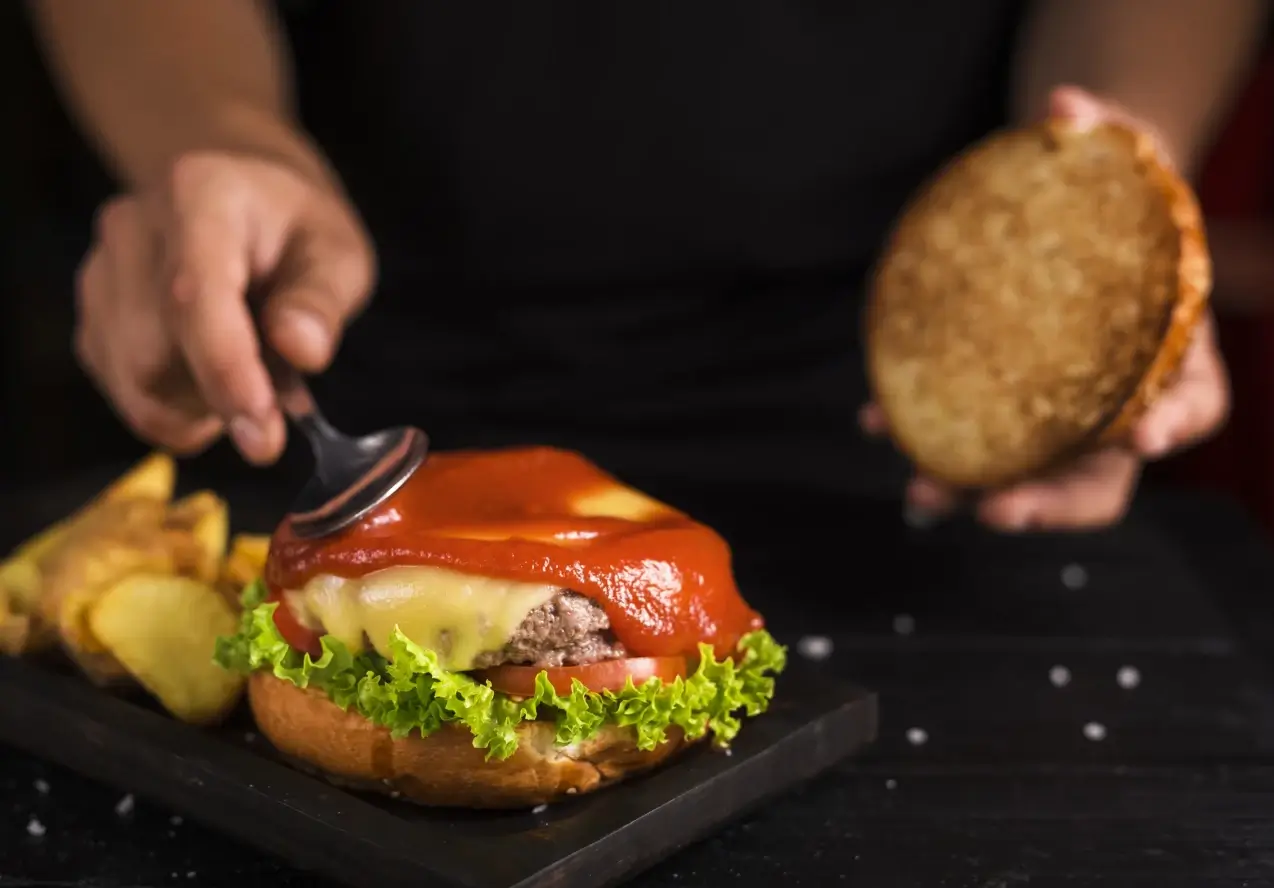
Choose gourmet if you prioritize flavor, texture, and in-house experience; if you value well-handled beef, brioche buns, and balanced sauces. Choose fast food if context rules: rush, tight budget, or group delivery logistics. To discover the best burgers in your city, try the “house burger” with no extras first. If it works plain, the rest is a bonus.
Burger Showdown (BSD): where gourmet quality wins
Burger Showdown (BSD) tests all of the above in 1-vs-1 duels under the same rules and conditions. No “monstrous burgers,” just ingredient quality, beef doneness, bun, and overall harmony.
- For the public: a route to discover well-executed gourmet burgers in venues, where they truly shine. You can vote and support with coupons, measuring real impact.
- For businesses: a showcase of consistency and technique. Those who master smash, griddle, or grill—and care for homemade sauces and brioche buns—gain an advantage.
If you want to explore the best burgers in your city, BSD is where quality is validated with data (visits, votes, redeemed coupons), not gimmicks. Read our other post on What is the Burger Showdown 2025 and why should you take part?.
Join our Promotty community!
Subscribe to our newsletter to get the latest updates, exclusive offers, and expert tips.
Latest posts

How to find deals in stores near you without using coupons
Discover how to find real deals in stores near you without using coupons or discount codes. A practical guide to saving money locally using simple, digital solutions designed for everyday shopping.

Why customers are no longer loyal to brands
Why brand loyalty has changed and what makes customers come back today: Smart experiences, personalized offers, and active engagement as the pillars of modern customer loyalty.

What happens when you depend on instagram to sell (and why it’s dangerous)
Learn why building your business around algorithms and external platforms limits long-term growth, and how creating your own customer system gives you control, stability, and sustainable revenue.